PromptCatalog Blog
How to Make More Money in Your Photo Booth Business by Selling AI Experiences
Turn AI photo booth features into revenue: premium packaging, high-margin upsells, and prompts that scale. How to position AI prompt sets and themes inside tiered photo booth packages.
If you run a photo booth business, one of the clearest growth levers is selling AI as the experience—a named package guests feel, not a hidden filter. Planners pay for shareable, on-brand “wow,” not for more printer hours alone. Build from a repeatable AI photo booth prompt catalog so what you sell in the proposal is what you can run on site, every time.
Catalog looks you can attach to premium AI packages


Multiples and margins—not guesswork price tags
You do not need a catchy dollar amount on your website. You need a simple story: AI is a different experience than a classic booth package. Guests walk away with transformation, glam, branded worlds, or generative art—not only “we stood in front of a camera.” Because of that, a full AI experience often sells for several times what a traditional photo experience (time, standard capture, prints, basic sharing) would support in the same market. Your exact multiple will vary by city and client; the pattern holds.
On many menus, the AI tier sits several rungs above the classic booth line—think 2× to 10× in relative tiering when you stack generative, glam, and themed modules against a baseline experience. That is menu math, not a promise for every quote. When credits and render time stay a small fraction of what the client pays, your margin on AI-heavy packages usually beats time-and-gear alone.
Snappic’s public packaging example uses Good / Better / Best tiers so AI sits above the standard booth line. It ties higher value to higher price in one table (same guide). Foto Master groups premium AI as its own revenue lane. They contrast what clients pay with what AI credits usually cost—a high-multiple pattern on the experience side (Foto Master upsell article). A Good / Better / Best menu is easy for planners to scan. One clean ladder looks like this:
- Good: A standard photo booth—prints or digital strips, classic sharing, the familiar booth night. This tier anchors the quote and sets expectations.
- Better: Add motion or red-carpet polish guests notice right away: animated GIFs or boomerang-style clips, or a glam booth package with lighting and finishing that feels elevated—still a classic capture, not generative AI yet.
- Best: The AI booth—generative scenes, stylized portraits, branded worlds, full transformation. This is the top rung where you sell the experience and the outcome, not just hours and hardware.
AI themes for photo booths you can sell as upgrades
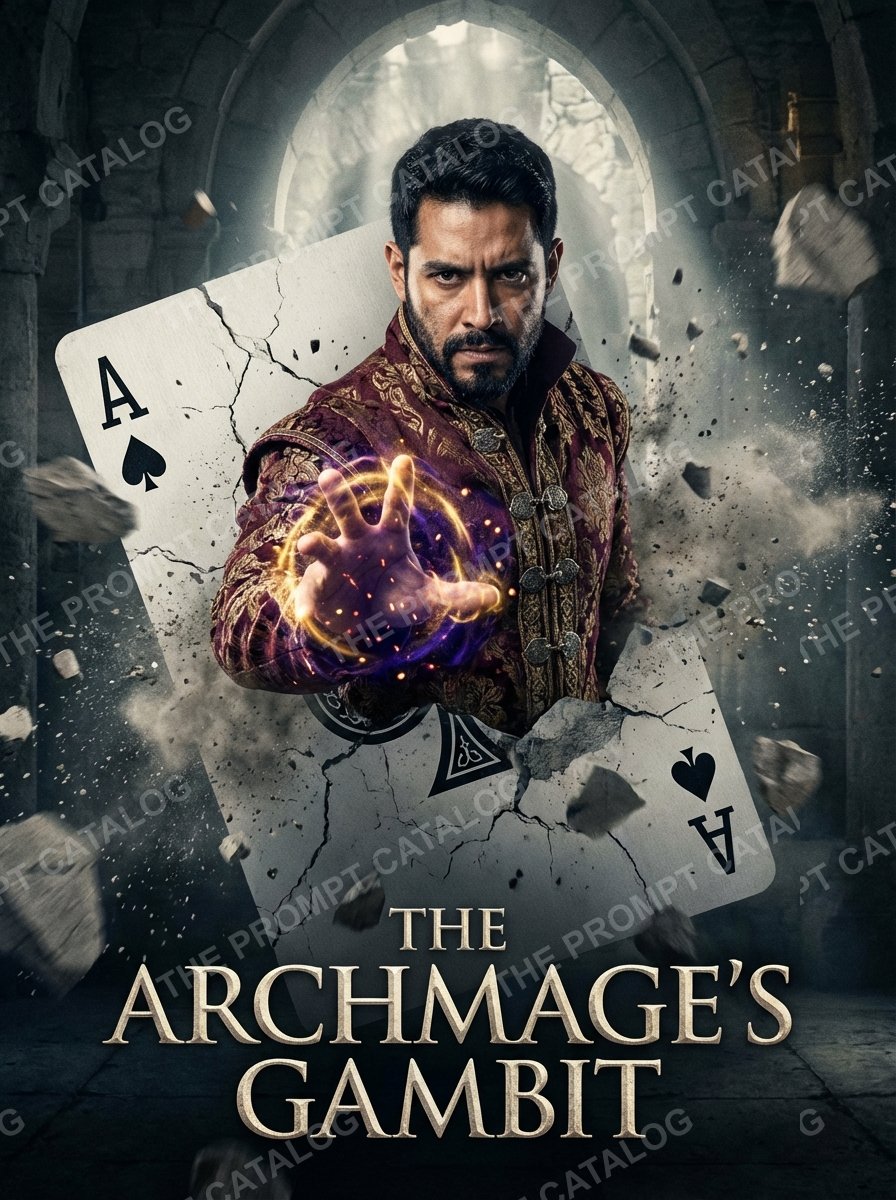


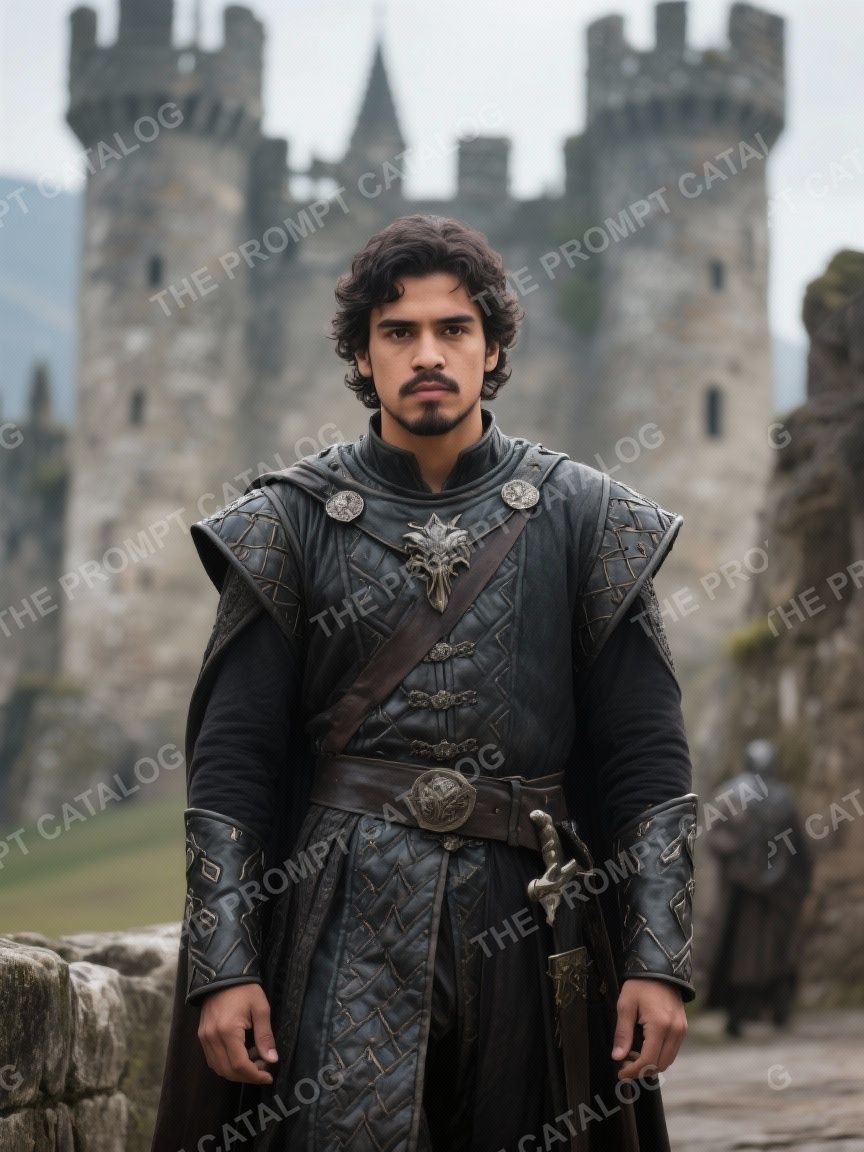
Each tile opens a product page with downloadable AI photo booth prompts for your packages.
Package, name, and show the upgrade path
Both Snappic and Foto Master stress visual proof and named packages—clients buy what they can see on a microsite or PDF before the event. Give AI a brand inside your brand (“Virtual Studio,” “AI Dream Booth,” etc.), show before/after tiles, and place it as the middle or top rung in a three-tier menu so anchoring works in your favor.
For corporate pitches, tie AI to share of voice: branded scenes and generative portraits are easier to justify when marketing leads care about social reach, not print count alone. Then connect the workflow to assets you already sell: browse downloadable AI prompt sets for photo booths and slot them into those tiers.
When you are ready to put proof on your own site, subscribers can use the AI gallery widget for your photo booth website so planners see live catalog examples next to your packages.
More prompts to bundle into premium AI upsells

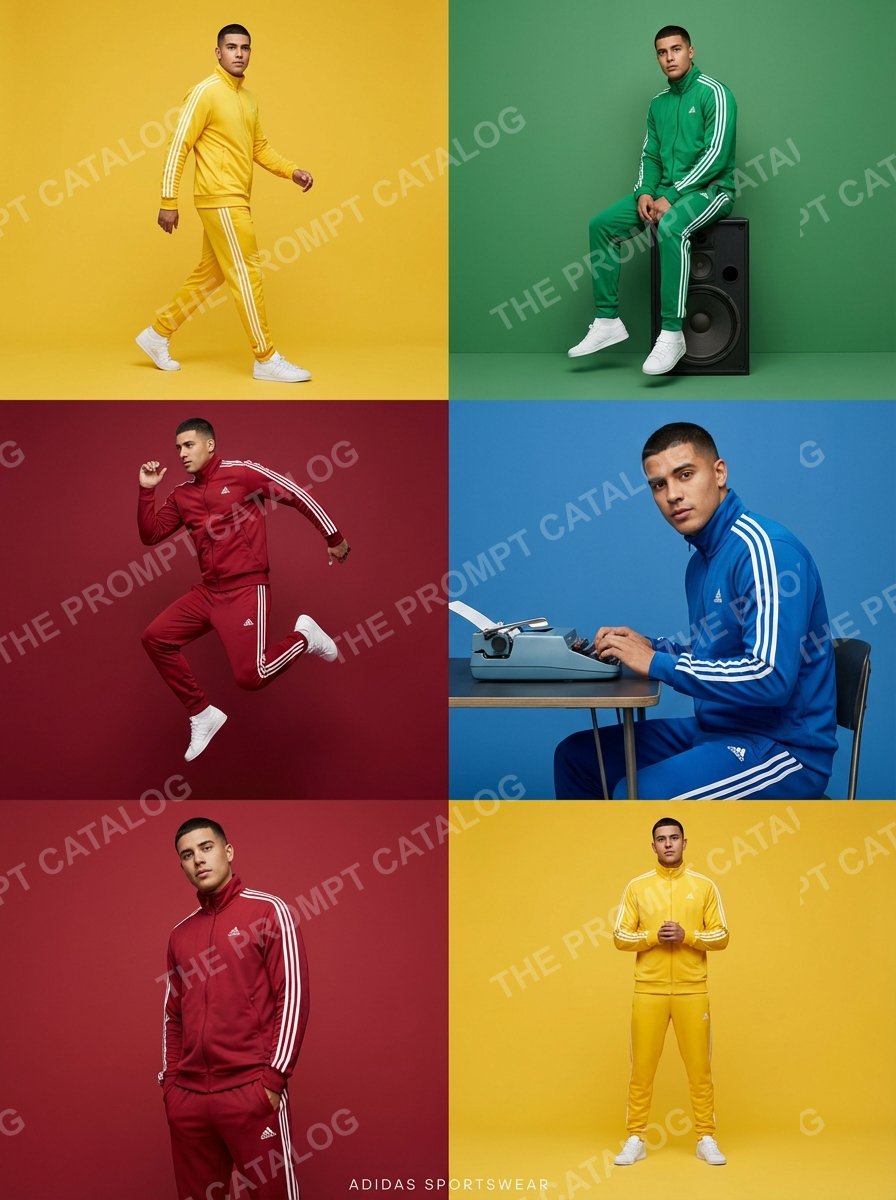
Prompts are the operational asset behind the upsell
The revenue layer is pricing and packaging; the delivery layer is prompt quality. Inconsistent prompts erode trust faster than a slow printer. A catalog-backed library keeps Nano Banana / BananaFX-style workflows predictable: short prompts for on-site speed, full prompts when you have time to refine—aligned with how modern AI photo booth themes and prompt packs are actually run in the field.
For a deeper walkthrough of structure and real-world examples, see our companion post on AI photo booth prompts, an AI prompt creator workflow, and AI themes for photo booths.
Align software spend with the tiers you sell
Your booth app’s plan level and AI credits are a percentage of the revenue you unlock when AI is explicit in the proposal—not a side cost to hide. If a platform positions premium AI as the tier that “lets you charge more per event,” treat that as a product decision tied to your menu, not a silent subscription line item.
PromptCatalog stays in the prompt layer: explore PromptCatalog pricing for AI prompt library access if you want scalable downloads and widget tooling alongside the software you already use.
Further reading (industry sources)
- Snappic — The Ultimate Guide to Using AI in Your Photo Booth Business (AI as gold standard, client willingness to pay more, tiered packaging, marketing tips)
- Foto Master — 15 Proven Ways to Upsell Your Photo Booth Services (AI as industry-standard upsell category, experience framing, Good/Better/Best selling)